


Taking a load off (#idiom)

Taking a load off

Monday is President’s Day, a holiday in the U.S., so we’re getting a three-day weekend, which means I finally get to TAKE A LOAD OFF. It’s been so busy at work lately that I’m making it a point to take it easy this weekend. Sure, I still have a list of things to do, but… Read more »

Christmas 2015

It’s Christmas!

We’re having an unseasonably warm Christmas here in New York City. It’s strange, but no one’s complaining. Most of us are enjoying it, especially as we know the brutal wintry weather will eventually return. I, myself, have been busy lately, so Christmas this year means slowing down, taking it easy, and getting plenty of rest…. Read more »

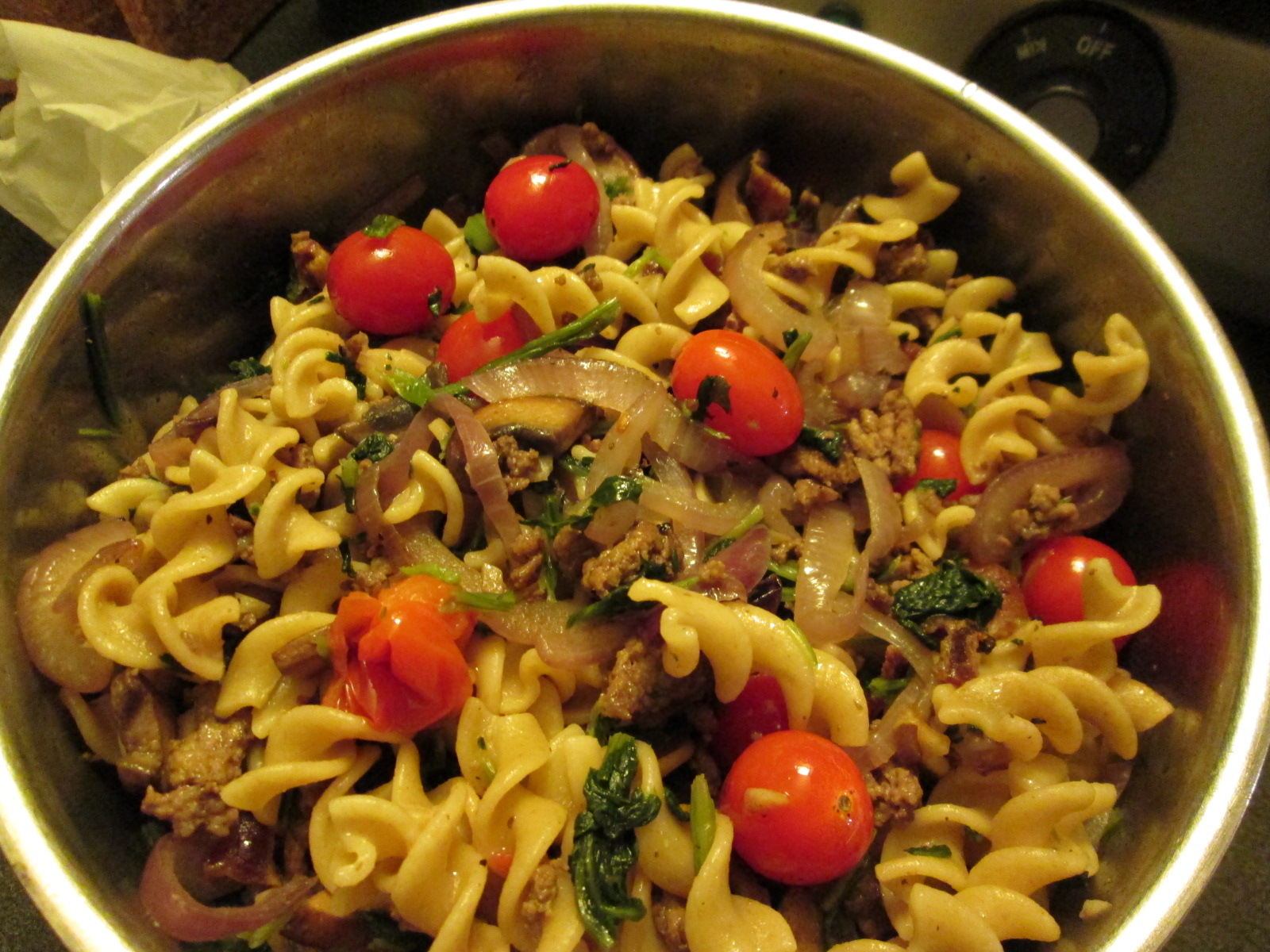
Pasta dish for English vocabulary lesson

It’s Thanksgiving!

It’s Thanksgiving once again! I wish you all a day of fun, great food, quality time with family and friends, and plenty of things to be grateful for. If you are celebrating Thanksgiving, you will most likely pig out on a huge meal with some fantastic desserts. You will probably have seconds. You will be… Read more »

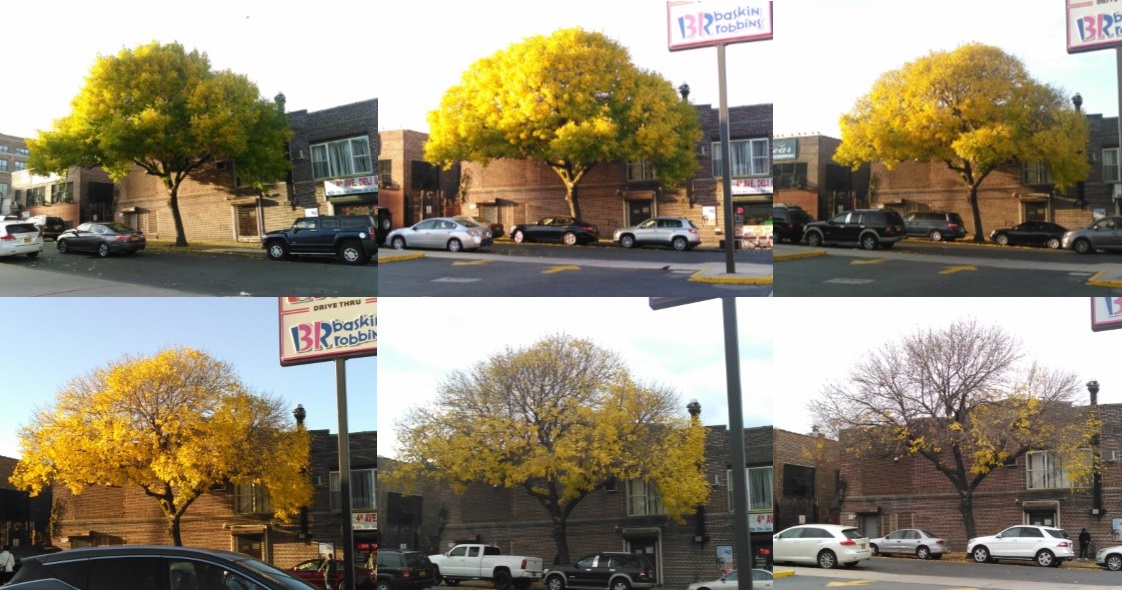
Image of autumn leaves for English lesson on the future perfect

Reviewing the Future Perfect

. We’re halfway through November. The autumn leaves have fallen, and winter is fast approaching. The year 2015 is almost over, and we just have a month or so before the new year begins. Do you have anything that you want to accomplish by the end of the year? Are you working on a task… Read more »

cute pumpkin photos for Halloween post

Is Halloween becoming less scary? :-|

Halloween has always been a spooky holiday where people put up creepy decorations and wear scary costumes. When you think of Halloween, you think skeletons & vampires & haunted houses & witches flying in the dark. People get pumpkins and carve Jack ‘o lanterns that are supposed to give passersby chills, right? SPOOKY, CREEPY –… Read more »

photo of lunch for #vocabulary lesson

Calling in sick & feeling under the weather

I’ve been home feeling under the weather the past two days. I think I caught my cold early last week when I started sniffling off and on. I must say I did a pretty good job keeping it at bay until Sunday, when it suddenly got worse and my nose started to run nonstop. 😐… Read more »

image of the simple present and the present progressive from a grammar booklet

Have you mastered the English present tenses?

The Simple Present and the Present Progressive/Continuous are the first two tenses that you learn when you first start studying English. Because of this, many students who have been studying English for a long time don’t want to practice them anymore because they think these tenses are too easy. Unfortunately, even advanced students can have a… Read more »

photos for English lesson on the slang phrase "the skinny"

Here’s the skinny on “the skinny”!

You probably already know that the word “skinny” also means “thin,” which is the opposite of “fat.” A person who doesn’t need to lose weight and who probably needs to gain weight is skinny, right? However, did you also know that the phrase “the skinny” is slang for “information” about some topic? That’s right! This… Read more »

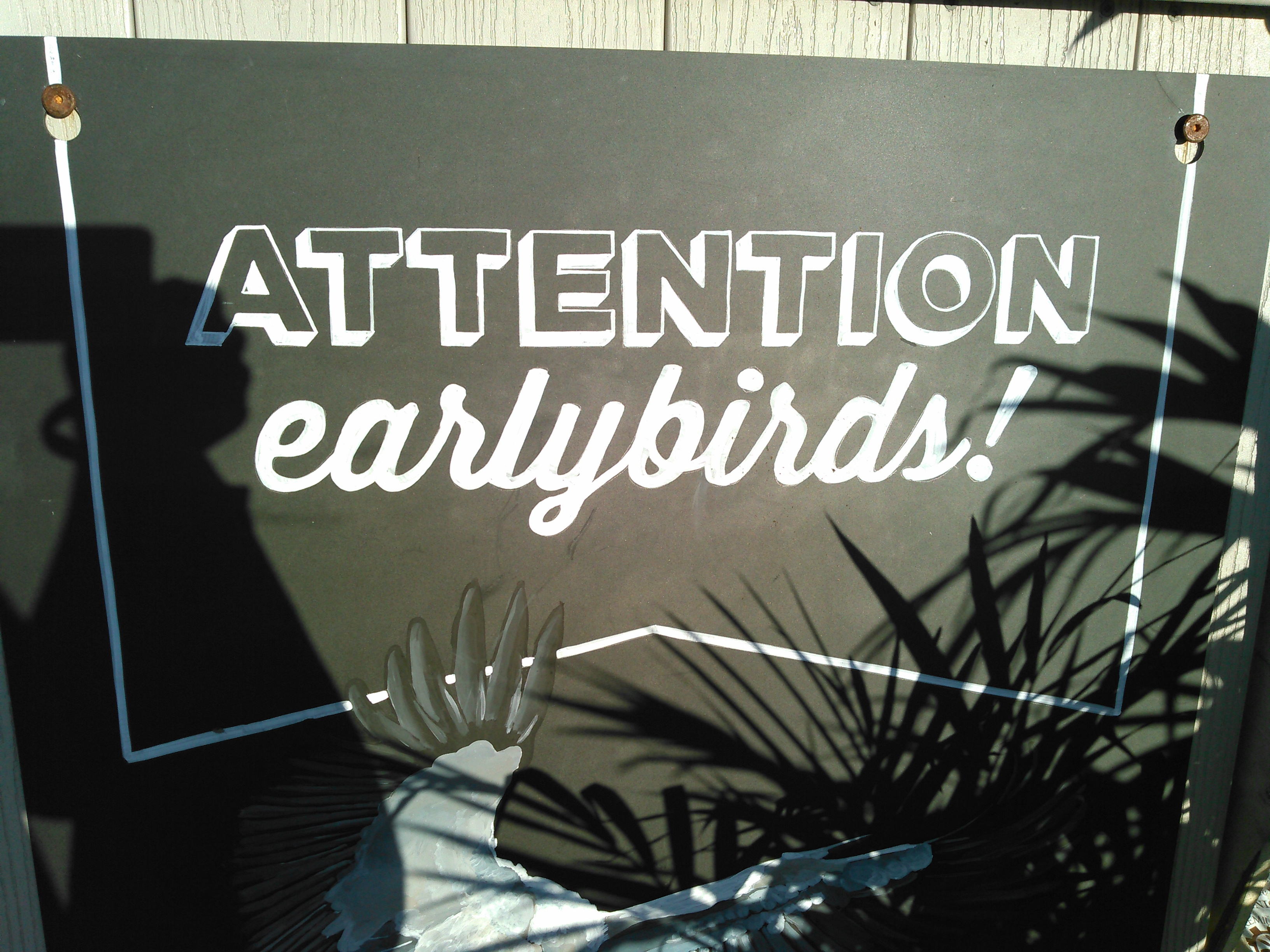
photo to teach English vocabulary

Are you a night owl or an early bird?

People are usually either a night owl or an early bird. If you love to stay up until the wee hours of the morning, you are definitely a night owl. On the other hand, if you prefer to hit the sack early and get up early the next day, you can call yourself an early… Read more »

PB&J photo for an English vocabulary blog post

Becoming FOND OF blueberry jam

I usually make a PB&J to take to work every day–or my wife does it for me. 🙂 Recently, we decided to try blueberry instead of my usual raspberry, but I quickly realized I wasn’t too fond of the flavor. 😐 I like blueberry in pies and cakes, but it just didn’t go with peanut… Read more »

Latest
  • Using albeit (conj)

    There are a couple of things to remember about using albeit (a conjunction): first, its meaning is similar to even though, although, despite, in spite of, and but, which means it conveys contrasting ideas; second, it’s followed by an adjective, an adverb, or a prepositional phrase; third, it’s usually followed by a negative idea. like this:… Read more »

  • Sniffling, but digging the cooler weather

    I’m really digging this cooler weather, but it can take a toll on you if you’re not careful. Yesterday, I went out for a stroll with some students without a jacket. The sun was out, but it felt a little chilly. When we got back, I started to get the sniffles; my nose started to run,… Read more »

  • GR – reported speech part 4

    In this fourth installment of our GrammarReminder series on reported speech, let’s look at how to report questions. There are two main things to remember: first, follow the rules of reported speech outlined in our Sept. 8 post; second, follow the rules of embedding questions–use the question words in information questions, use if or whether… Read more »

  • It’s your call

    1. I can’t decide on where to go, so it’s your call.2. We told him picking a restaurant was his call since he knew the area much better than we did.3. They told me it was my call, so I decided to take the train instead of the bus.4. Whose call was it to hold… Read more »

  • GR – Reported Speech part 3

    Before you look at this lesson, make sure you’ve checked out part 1 and part 2 of this GrammarReminder series to review the rules and see the first set of examples. In this lesson, take note of how the past perfect tense doesn’t change when you report what someone said. Also notice how can becomes… Read more »

  • sporadic (adj)

    1. His visits to the hospital became sporadic once he started school, but they were still greatly appreciated by the staff. 2. In general, he was a good student, but his sporadic attendance caused him to fail the class.3. Tom’s calls home became sporadic once he started working.4. These days, he’s often tired although he… Read more »

  • GR – Reported Speech part 2

    If you haven’t yet, please check out part 1 of this GrammarReminder series for a quick introduction to reported speech. In part 2, we’re going to look at some examples of reporting someone’s speech. Take note of how the present tense becomes past tense, the past tense becomes past perfect, the present perfect becomes past… Read more »

  • Quick GrammarReminder: It’s high time …

    Use the past tense after “It’s time someone …,” “It’s high time someone …” or “It’s about time someone …” These expressions mean “the time is now” or “you should do it now.” like this:1. You should come to Miami for spring break. It’s high time you came to visit us.2. He’s currently checking out… Read more »

  • Burying the hatchet

    1. The boss told them to bury the hatchet. Their constant fighting is affecting office morale.2. They’re trying to bury the hatchet, but they really can’t stand each other.3. He says he’s buried the hatchet, but she’s still really pissed at what he did.4. Burying the hatchet is not easy when the attacks have become… Read more »

  • Vocabulary in the news

    1. There’s a credible terror threat against New York City and Washington, D.C. tied to the anniversary of the 9/11 attacks. (believable)2. They say they are stepping up security, doing things that will be noticeable to the public. (increasing)3. The threat at this moment has not been corroborated. (confirmed)4. Since May, U.S. law enforcement officials… Read more »